Eighty-one chapters of the <em>Dao De Jing</em> in plain English. Hand-thrown tea ware, ritual incense, and desk objects — each traced to its maker, its material, and its consecration.
Every ritual object ships with a certificate number and the name of its lineage.
ISO 17025 lab reports for heavy metals. CITES status declared on every wooden piece.
Shipped from Beijing, 7–15 days. Duties and taxes settled at checkout.
Unworn, unused, and in its original packaging — no questions asked.

Not the popular Dao De Jing. The Mawangdui silk manuscript — the text Laozi actually wrote down.
In 1973, workers excavating a tomb in Changsha opened a sealed silk scroll untouched for two thousand years. Eighty-one chapters. No rhyme, no polish — the raw text.
Our line of study begins there. Every chapter we teach is read from that manuscript rather than the later, smoother editions the West has read for two centuries.
Tea ware, incense, writing desk and ritual objects — made by named hands, in named workshops, with the material declared. Nothing here is anonymous.
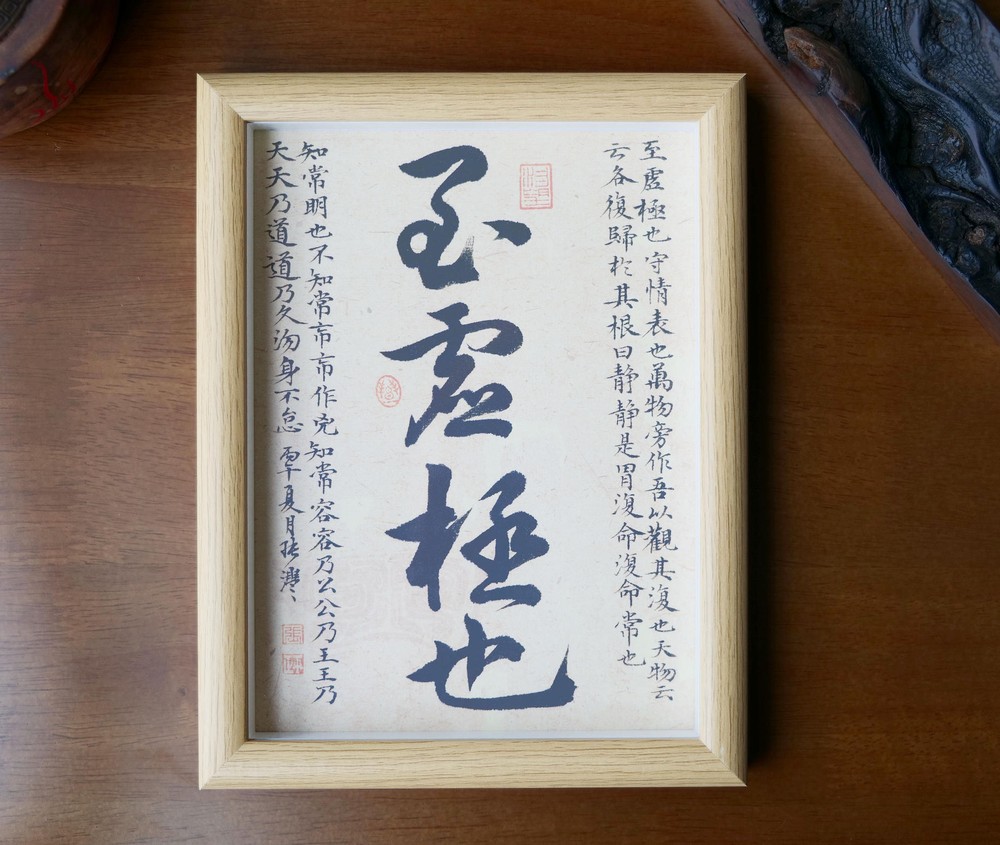
from $30致虚极也
A framed scroll of the Daoist phrase “Zhi Xu Ji Ye” in brush script.
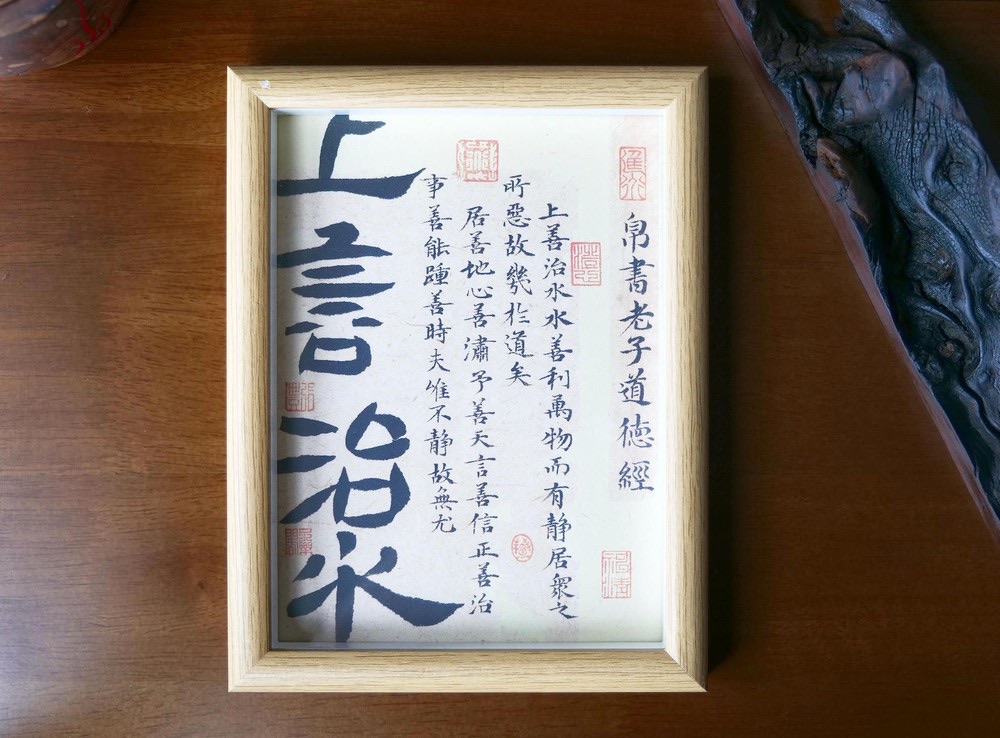
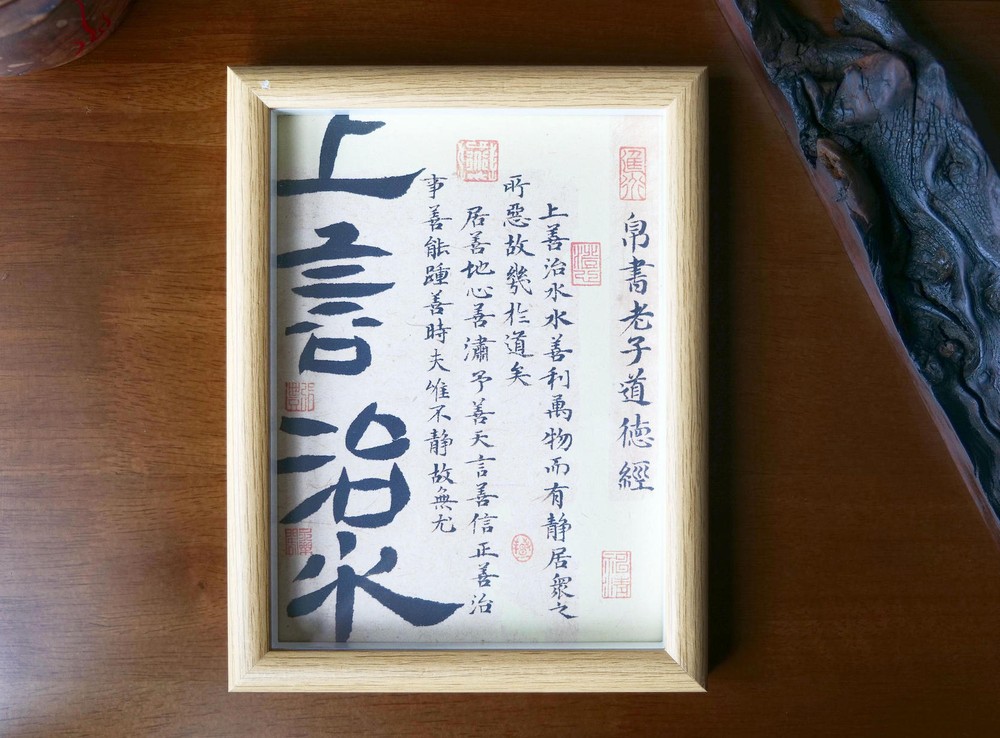
from $30上善若水
The phrase “the highest good is like water”, in brush script.
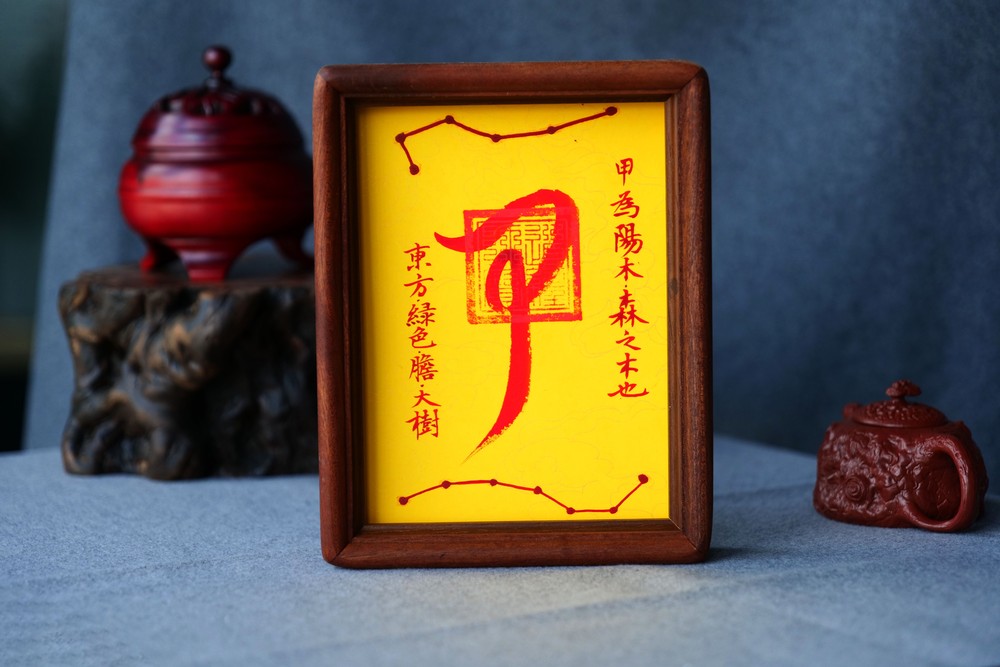
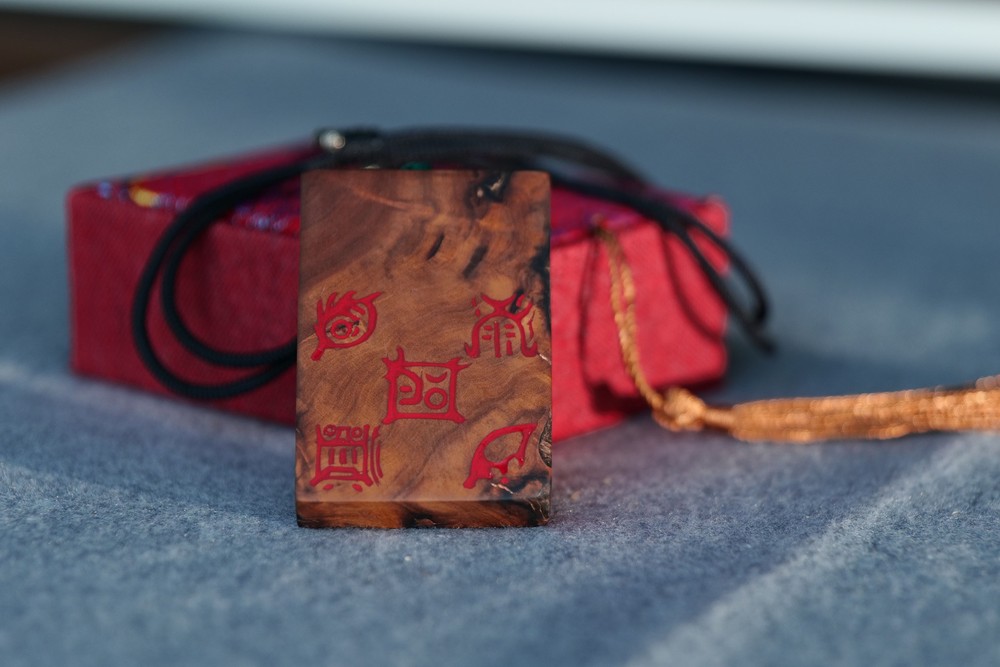
from $50东方甲木
A carved charm marking the Eastern Jia Wood heavenly stem.
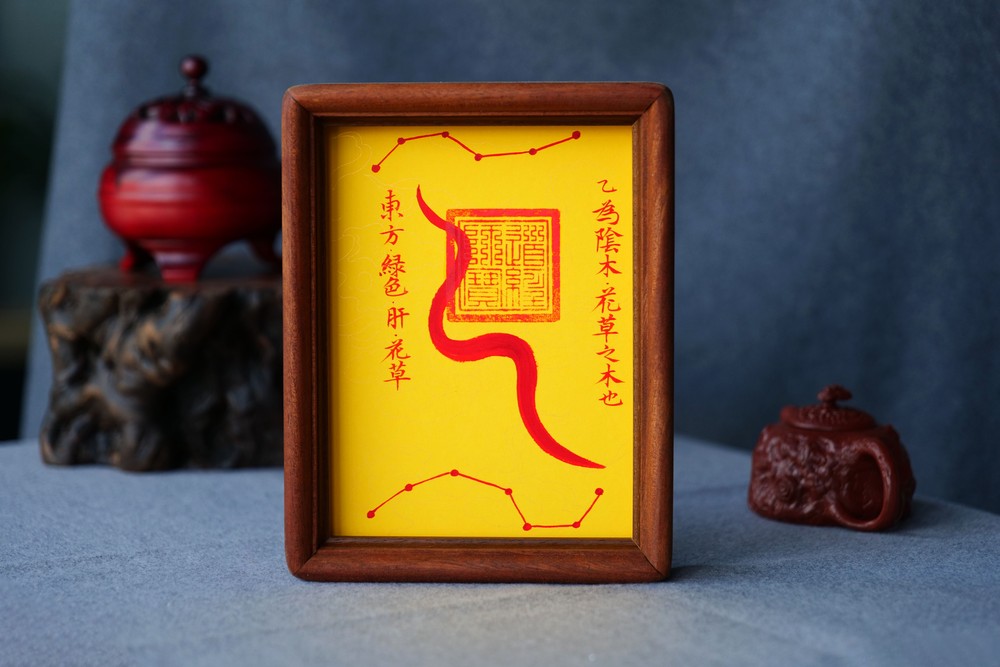
from $50东方乙木
A carved charm marking the Eastern Yi Wood heavenly stem.
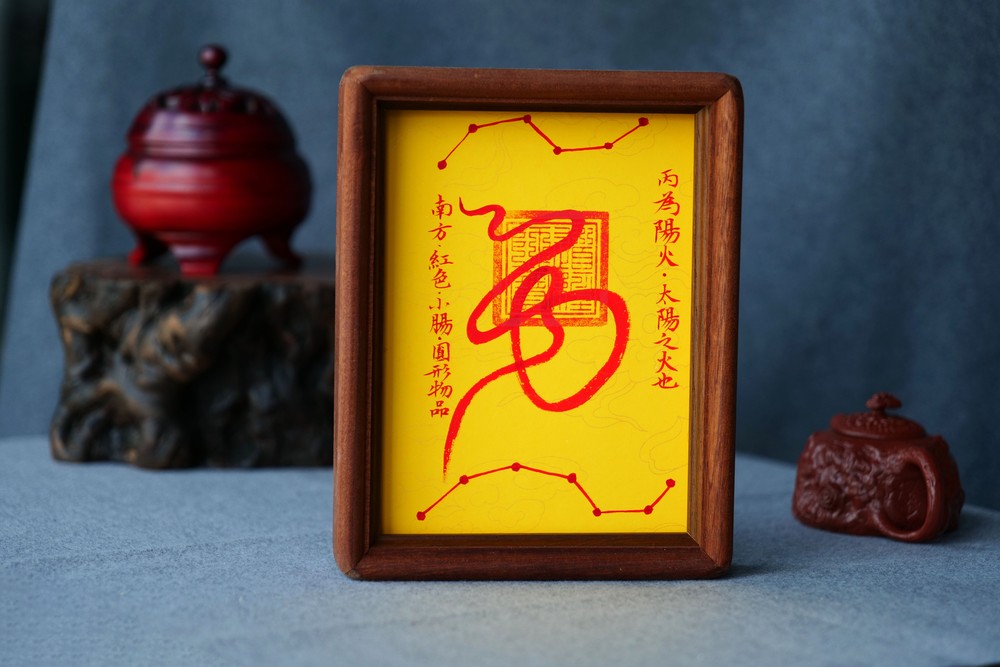
from $50南方丙火
A carved charm marking the Southern Bing Fire heavenly stem.
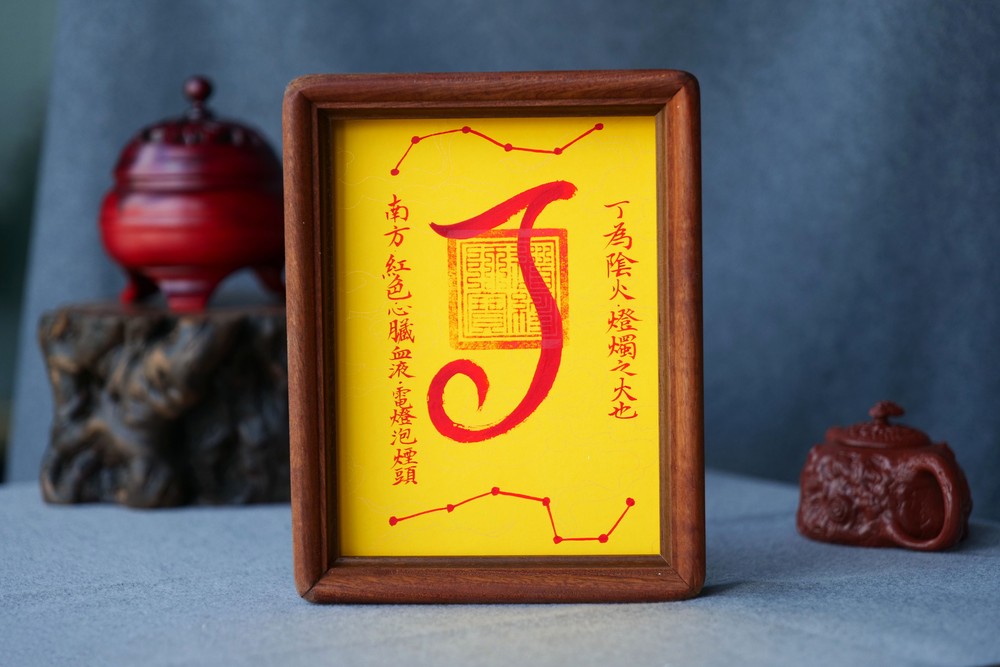
from $50南方丁火
A carved charm marking the Southern Ding Fire heavenly stem.
Every chapter of the <em>Dao De Jing</em> is a prompt, not a lecture. We pair the text with a weekly practice and a set of objects that make it easier to keep.
“The sage manages affairs without doing. He acts without assuming credit for his deeds. He is content with the way things are, without ever being attached to it.”
Note the translation is deliberately awkward in places. That is the silk text’s own rhythm: it was written to be read aloud, two thousand years before anyone decided Daoism should sound elegant.
The classical reading for the week, with a short commentary and one object that carries the same idea. Free, no card required.
Most sellers of Daoist objects online will not tell you where the material came from, what the metal contains, or who consecrated it. We publish it on every product page — because this is how you tell handwork from manufacturing.