Why the silk text is harder — and truer — than the popular version
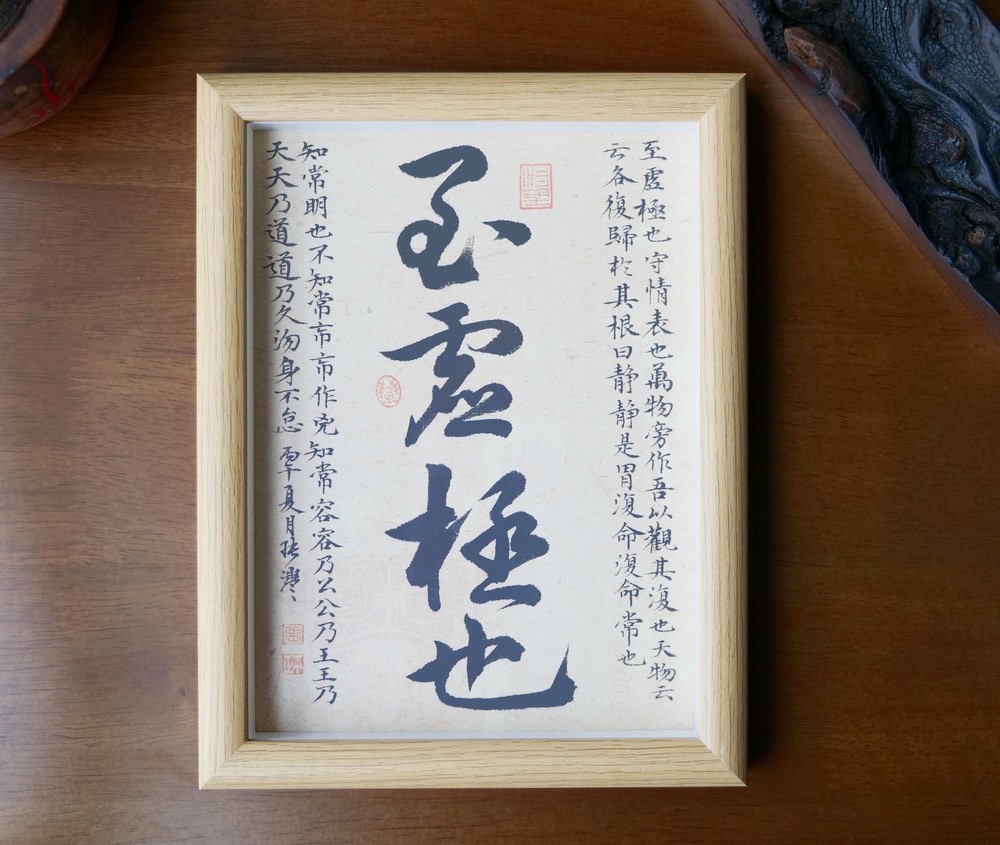
In 1973, excavators at Mawangdui opened a tomb that had been sealed for roughly two thousand years. Among the contents were two copies of a text we thought we knew, written on silk.
What they found was not the Dao De Jing the West has read since the nineteenth century. It was rougher. The chapters were in a different order. Some passages that later editions smooth into aphorism read instead as blunt instruction.
This matters more than it sounds. The received text was edited over centuries by people who wanted it to read well — and it does read well. It is quotable, balanced, and slightly complacent. The silk text is none of those things.
Take the well-known line about water. In the popular version it becomes a meditation on humility. In the silk text the emphasis falls differently: water is praised because it goes where the work is, not because it is humble. The difference is small on the page and large in practice.
We work from the silk text for this reason, and we say so on every chapter page. It is a harder read. It is also the closest we can get to what was actually written down.